Audit Readiness
Why did we approve this customer? Reconstructing the decision
An approved status tells a reviewer what happened. Explaining why requires the source evidence, human rationale and recorded actions that supported the decision. This cmpliance walkthrough follows that path.
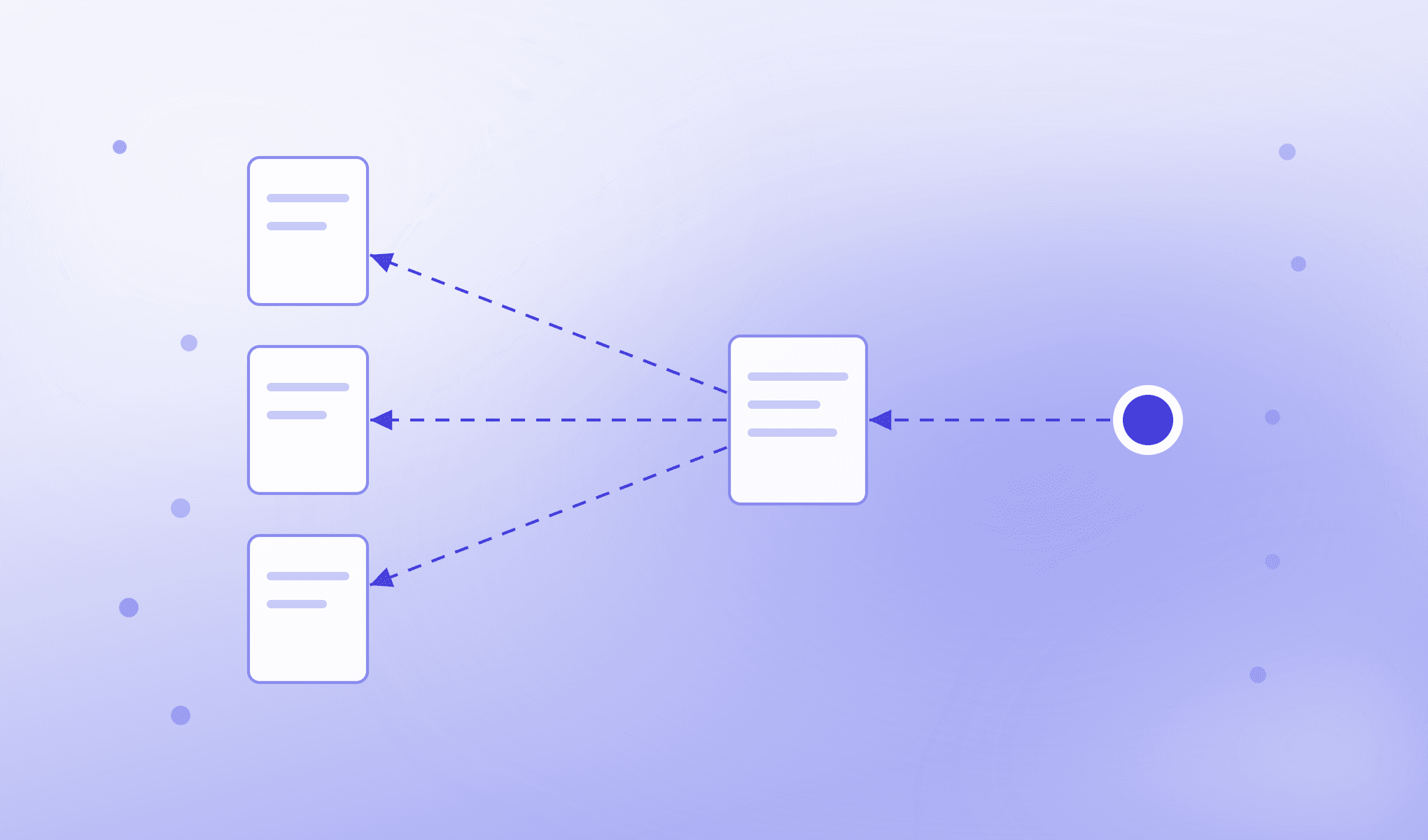
Suppose an auditor, regulator or new head of compliance asks why a customer was approved after the officer who handled the case has moved on. The answer has to come from the record.
youtubeA second reviewer follows an approved case through its ownership source, human decision, stored audit chain and matching evidence pack.https://www.youtube.com/watch?v=7cRNvCpMpkUWatch: Show me why we approved this customer
The customer is already approved when the review begins. The question is no longer whether an officer can finish the case. It is whether someone else can understand the approval without relying on that officer's memory.
The second reviewer needs to connect a fact to its recorded source, establish who made the decision and read why, then examine the stored audit chain and the matching evidence pack.
Start with one fact that mattered
At 0:11, the reviewer follows an ownership fact to its source. An ownership statement in a completed case is something to trace, not simply repeat.
For any decision-critical fact, a later reviewer should be able to establish which source supported it and what that source actually said. The date and scope matter too. A record might establish a holding at one point in time without explaining subsequent changes or rights documented elsewhere.
Our KYC evidence review article addresses the broader assessment. Here, the emphasis is on whether a second person can retrace one important finding after the decision.
Read the rationale with the decision
From 0:36, the review turns to who decided and why.
Identifying the decision-maker answers the accountability question, but it does not explain the judgment. The rationale should let another officer understand how the evidence supported the chosen outcome, including any uncertainty the decision-maker accepted.
For a retrospective review, distinguish an explanation recorded with the decision from one supplied after someone asks. A later clarification may be useful, but it is not evidence that the original reviewer considered the same point at the time.
The decision record identifies the human conclusion and the reasons attached to it. A reviewer should be able to examine that reasoning without filling its gaps from memory.
Check the stored history and open the pack
At 0:50, the video moves to the audit chain and evidence pack. The reviewer checks the assessment's stored audit chain and downloads the matching pack.
Examine the pack's connection to the assessment under review. A readable export is useful only if it contains the relevant record. The walkthrough follows the approved case into its matching pack, where the human-review and decision-trail sections can be read outside the application.
Use the pack as a reconstruction test
Our article on audit-ready evidence packs for compliance decisions describes what such a record needs to preserve. This walkthrough starts at the other end: an officer has the completed case and must test whether that preservation is useful.
Try the same exercise with a colleague who did not handle the original review. Choose one material finding. Ask them to locate its supporting source, identify the decision-maker and explain the recorded rationale. Then ask which review actions connect the finding to the outcome, and what the file does not establish.
Keep the original officer out of the first pass. If the second reviewer cannot answer a question, note exactly where the record stops. The missing information might be a source reference, an unexplained choice or a limitation that was discussed but never written down.
Why it matters for your team
cmpliance's agents prepare evidence and findings for review, while the case record connects that work to the human decision. A second officer can follow the ownership source, read the rationale and open the matching pack. The explanation comes from the record, without depending on the original officer's memory.
See how cmpliance works and what makes an evidence pack audit-ready. Bring us a customer-approval question your current record makes difficult to answer.
Agents do the work. Humans make the call.
Trace a material fact to the source that supported it rather than treating approved status as proof of every finding.
Read who decided and why alongside the evidence and relevant review history.
Review the stored audit chain and match the exported evidence pack to the assessment.
Frequently asked questions
→What does reconstructing a compliance decision mean?
It means following the recorded evidence, review activity and human rationale to understand how the outcome was reached. It does not mean inventing a rationale for gaps in the original file.
→What does the reviewer inspect in the audit record?
The reviewer checks the assessment's stored audit chain, then downloads the matching evidence pack and examines its human-review and decision-trail sections.
→How can another officer retrace the approval?
Start with a material finding, follow it to its supporting source, identify the decision-maker and read the saved rationale. Then examine the review history and the corresponding evidence pack.