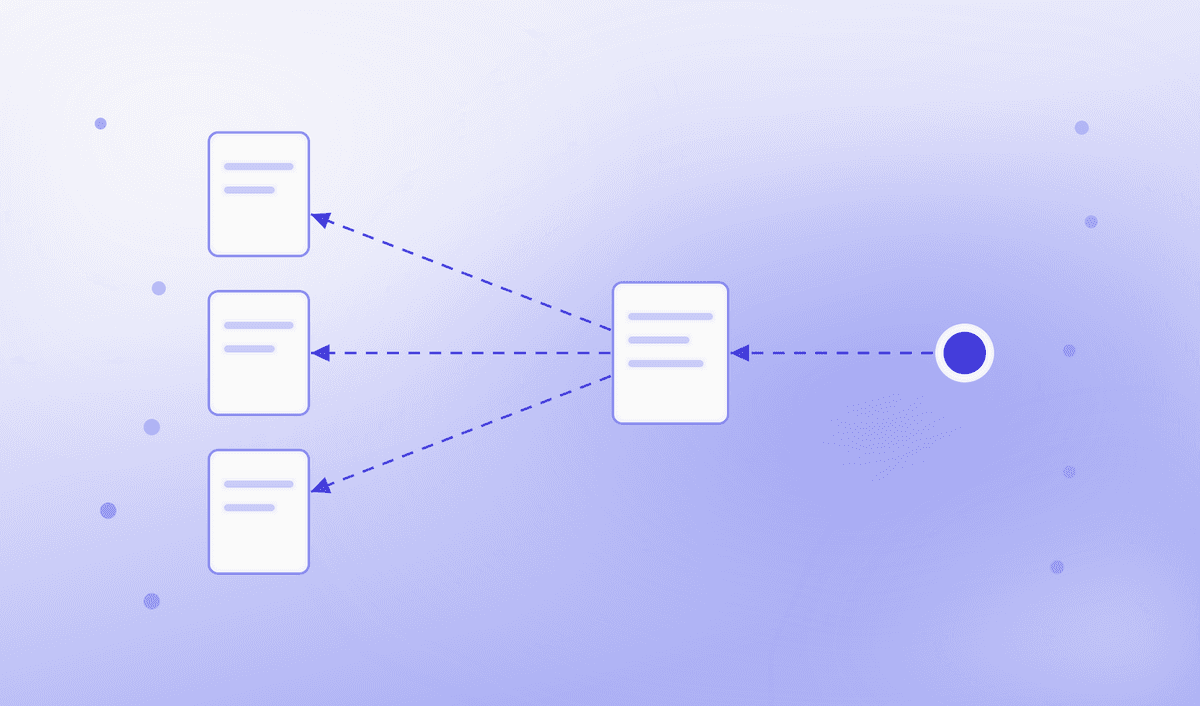
Agents do the work. Humans make the call.

cmpliance is the agentic workforce for compliance. Agents screen, classify, gather evidence, and assemble the evidence pack. Humans review, approve, and sign off.

Compliance teams were never meant to gather evidence. They were meant to make decisions.

The shift

From compliance signal to accountable action.

Signals, evidence, and deadlines arrive in pieces. cmpliance turns each into owned work with its evidence and proof trail.

Agentic resolution

  1. Unowned signals

    Signals arrive faster than anyone can own them.

    Owned work with reviewer gatesOwned work

  2. Fragmented evidence

    Evidence sits in tools that don’t talk to each other.

    Audit trails built for reviewEvidence pack

  3. Deadline pressure

    The EU AI Act timeline may move. The obligation does not.

    Evidence packs you can export and defendObligation

Why agentic

Workflow software routes the work. Agents do it.

cmpliance agents screen, read, map, and classify. They attach the evidence and hand the completed work to your officer for review and decision.

How it works

One case. Agents work. Traceable evidence. Your call.

  1. 01

    Detect the signal.

    Brenvik Components GmbHEU / CH · KYC/AML onboarding

  2. 02

    Assign the owner.

    MakerA. KellerCheckerM. Fischer

  3. 03

    Prepare the evidence.

    Screening agentClassification agentEvidence agentNarrative agent

  4. 04

    Route the review.

    HighM. FischerNominee for a sanctioned individual

  5. 05

    Capture the decision.

    Your callApproveFlagFlagged · escalated to MLRO

  6. 06

    Export the proof.

    Evidence packExport PDF

    Record
    EP-2026-4182
    Hash
    sha256:4e1d…a86b
    Timestamp
    2026-02-18 09:44 UTC
    Sources
    6 verified references
Get early access

EU AI Act review

One assessment, from the queue to your call.

Pick up where you left off. Queue sorted by urgency.

AssessmentsNew assessment
Corvenna1 match
All active 0Awaiting decision 0Escalated 0All 2

Corvenna Risk Systems GmbHEU AI Act

#2risk score 72DecidedL. Brandt

#1risk score 55DecidedL. Brandt

What name matching misses

Names do not match. The chain does.

A name‑match system runs a counterparty against sanctions and watch lists and returns a result. cmpliance reasons over the structure between entities.

Reasoning depth

Name match1 hop · direct lookup

cmpliance3 hops · ownership chain

Signals checked

Name matchName string · fuzzy match

cmplianceOwnership · cross‑jurisdiction directorships · adverse media

Sources

Name matchOFAC · EU

cmplianceCorporate registers · sanctions lists · media reports

Evidence pack

Name matchNone · result log only

cmplianceEP-2026-4182 · sha256:4e1d…a86b

Name matching finds a name. cmpliance finds the structure.

Architecture

The model layer changes. The structural intelligence stays here.

cmpliance combines language‑model reasoning over documents with graph reasoning over entity structures, in a shared embedding space. Frontier models are interchangeable. The structural reasoning layer is cmpliance’s own. Your data and your calibration stay in your tenant.

Each layer is one case. The structure stays.

Virtual data room

Evidence is assembled and hashed inside your boundary.

Share evidence packs across reviewers and auditors.

  1. Inside your boundary01Document enters roomLogged on arrival
  2. 02Agents processScreened, classified, evidence gathered
  3. 03Evidence pack assembledFinding, sources, traceEvidence pack EP-2026-4182
  4. 04Hash recordedCopies can be checked against itsha256:4e1d…a86b
  5. 05Auditor verifiesChecked against the audit ledger

    Verification

    Documents in room
    logged on arrival
    Access entries
    actor, action, and time
    Hash anchors
    each pack’s hash in the audit ledger

    Audit ledgerthis pack

    1. 1Document logged on arrival
    2. 2Agents processed
    3. 3Evidence pack assembledEP-2026-4182
    4. 4Pack hash written to the audit ledgersha256:4e1d…a86b

    A pack’s hash is written to the audit ledger, so a copy can be checked against it.

  • M&A due diligence
  • Regulatory submissions
  • Cross‑border compliance

Calibration

Every reviewer decision becomes a labeled signal.

cmpliance calibrates to your organization’s evidence standards, escalation thresholds, jurisdictions, and review decisions. Approvals, rejections, overrides, and their rationale adjust how agents assess and escalate cases for your team, starting with the next assessment. It does not train a generic vendor model on your data.

  1. 01

    Reviewer decision

    Evidence packEP-2026-3907Decided

    Domestic subsidiary · single‑layer ownership · CH

    Risk ratingHigh Medium

    Decided by M. Fischer · 7 May 2026, 10:14 UTC

  2. 02

    Labeled signal · for policy calibration

    Calibration entryCAL-2026-0391Decided

    OverrideRisk rating: High → Medium

    Scopetenant: pilot‑ch · scope: kyc‑onboarding · effective: next run

    Hashsha256:b41c…0e7d

    TrainingNo. Signal scoped to tenant, not used to train public or foundation AI models.

    hash‑chained

  3. 03

    Next assessment uses your calibration

    CaseCASE-2026-KYC-3E1CAwaiting decision

    Domestic subsidiary · single‑layer ownership · CH

    Proposed ratingMedium

    PrecedentM. Fischer’s override CAL-2026-0391

Agents do the work. Humans make the call.

cmpliance is the agentic workforce for compliance. Agents screen, classify, gather evidence, and assemble the evidence pack. Humans review, approve, and sign off.

Compliance teams were never meant to gather evidence. They were meant to make decisions.

ZefixSwiss commercial register extractVerifiable
Corporate registersOwnership & control chartIndirect exposure
OFAC · EUPEP & sanctions screeningNo name match
Media sourcesAdverse‑media summary2 reports
Checker decision recordedFlagged
EP-2026-4182 · hash‑chained
1 reviewer · M. Fischer Escalated to MLRO

The shift

From compliance signal to accountable action.

Signals, evidence, and deadlines arrive in pieces. cmpliance turns each into owned work with its evidence and proof trail.

Unowned signals

Signals arrive faster than anyone can own them.

Fragmented evidence

Evidence sits in tools that don’t talk to each other.

Deadline pressure

The EU AI Act timeline may move. The obligation does not.

Agentic resolution
Agentic resolutionOwned work with reviewer gates
Agentic resolutionAudit trails built for review
Agentic resolutionEvidence packs you can export and defend

Why agentic

Workflow software routes the work. Agents do it.

cmpliance agents screen, read, map, and classify. They attach the evidence and hand the completed work to your officer for review and decision.

How it works

Detect the signal. Assign the owner. Prepare the evidence. Route the review. Capture the decision. Export the proof.

Get early access

  1. 01Detect
    EntityBrenvik Components GmbH
    JurisdictionEU / CH
    AssessmentKYC/AML onboarding
  2. 02Assign
    Owned work
    MakerA. Keller
    CheckerM. Fischer
  3. 03Prepare
    Agents working
    Screening agent3 sources matched
    Classification agentRisk score calibrated
    Evidence agent6 references collected
    Narrative agentRationale assembled
  4. 04Route
    Risk levelHigh
    ReviewerM. Fischer
    FindingNominee for a sanctioned individual
  5. 05Capture
    Your call
    ApproveFlag
    Flagged · escalated to MLROChecker decision recorded · M. Fischer
  6. 06Export
    Evidence pack
    RecordEP-2026-4182
    Hashsha256:4e1d…a86b
    Timestamp2026-02-18 09:44 UTC
    Sources6 verified references
    Export PDF

One case. Agents work. Traceable evidence. Your call.

EU AI Act review

One assessment, from the queue to your call.

app.cmpliance.ai
Assessments · EU / Germany
Corvenna Risk Systems GmbHDecided
AI‑assisted credit scoring module · reviewed for Ostrelund Bank SE
AssessmentEU AI Act vendor and high‑risk AI system readiness review
SummaryEvidenceTraceReview history
System recommendation
ESCALATERequest vendor conformity evidence before approval.

A high‑risk AI system influencing credit decisions lacks bias‑testing and human‑oversight evidence; escalate to the compliance lead before production use.

Reviewer action
Request additional vendor evidence before approval; escalate to compliance lead because the system affects credit decisions for natural persons.

Entity risk score
72High risk
03467100
Key risk factors
High‑risk AI: creditworthiness of natural personsEU AI Act Annex III
Bias testing not segmented by customer segmentEU AI Act Art. 10
Override audit log omits reviewer rationaleEU AI Act Arts. 12/14
Human‑oversight review evidence missingEU AI Act Art. 14
Agent trace EU AI Act · 5 steps · 10sView run output
Run started18 May 2026
Classify system purpose & deployment contextcompleted0.6s
Map vendor docs to AI Act controlscompleted3.9s
Check human‑oversight & override evidencecompleted2.7s
Review model docs & scoring evidencecompleted2.2s
Prepare missing‑evidence listcompleted0.8s
Run completed18 May 2026
Audit chain hash‑verifiedRUN SHA · 7f3a91c2
Evidence pack Hash‑chained
Download
Generated 18 May 2026Evidence pack evp…7f3a91c2View trace
ArtifactsCorvenna BRS-2.4 AI system description · Model version history and change log BRS-2.4 +7
MissingNo signed conformity‑readiness attestation from vendor · No current bias‑testing appendix for version 2.4 +2
Extracted facts · 1
01 Override audit‑log sampleRecorded
Decision rationale · Audit‑log export · Retrieved 17 May 2026 · View source ↗

Corvenna Risk Systems GmbH · Rationale. The audit‑log sample shows credit scores overridden without a recorded reviewer rationale; insufficient logging and human‑oversight evidence under EU AI Act Articles 12 and 14.

Decision timeline
09:15ReopenedDecided → Reopened · Review agent
10:40Evidence review assignedReopened → In review · LB L. Brandt
15:05Escalation preparedIn review · LB L. Brandt
15:18Decision recordedIn review → Decided · LB L. Brandt
Every transition hash‑chained and recorded.
Your callAwaiting decision
ApproveRejectEscalate
Decided · L. Brandt

What name matching misses

Names do not match. The chain does.

A name‑match system runs a counterparty against sanctions and watch lists and returns a result. cmpliance reasons over the structure between entities.

Graph · registersString compare · list
Brenvik Components GmbHcounterparty
owned by
Quarnell Holding Ltdlow‑transparency
director
nominee directorlisted on 3 boards
nominee for
sanctioned individualterminal
name match · fuzzy
sanctions listOFAC · EU
LLM · reads text
Media report …acts as nominee fora sanctioned individual…

Adverse mediaNot checked2 reports · naming the nominee director

Result
CLEAR

No match on counterparty name

HIGH

Nominee for a sanctioned individual

Escalated to MLRO
Name matchcmpliance
Reasoning depth1 hop · direct lookup3 hops · ownership chain
Signals checkedName string · fuzzy matchOwnership · cross‑jurisdiction directorships · adverse media
SourcesOFAC · EUCorporate registers · sanctions lists · media reports
Evidence packNone · result log onlyEP-2026-4182 · sha256:4e1d…a86b

Name matching finds a name. cmpliance finds the structure.

Architecture

The model layer changes. The structural intelligence stays here.

cmpliance combines language‑model reasoning over documents with graph reasoning over entity structures, in a shared embedding space. Frontier models are interchangeable. The structural reasoning layer is cmpliance’s own. Your data and your calibration stay in your tenant.

Each layer is one case. The structure stays.

Virtual data room

Evidence is assembled and hashed inside your boundary.

Share evidence packs across reviewers and auditors.

1Document enters roomLogged on arrival
2Agents processScreened, classified, evidence gathered
3Evidence pack assembledFinding, sources, trace
4Hash recordedCopies can be checked against it
5Auditor verifiesChecked against the audit ledger
Verification
Documents in roomlogged on arrival
Access entriesactor, action, and time
Hash anchorseach pack’s hash in the audit ledger
Audit ledgerthis pack
1Document logged on arrival
2Agents processed
3Evidence pack assembledEP-2026-4182
4Pack hash written to the audit ledgersha256:4e1d…a86b
A pack’s hash is written to the audit ledger, so a copy can be checked against it.
M&A due diligenceRegulatory submissionsCross‑border compliance

Calibration

Every reviewer decision becomes a labeled signal.

cmpliance calibrates to your organization’s evidence standards, escalation thresholds, jurisdictions, and review decisions. Approvals, rejections, overrides, and their rationale adjust how agents assess and escalate cases for your team, starting with the next assessment. It does not train a generic vendor model on your data.

1Reviewer decision

Evidence packEP-2026-3907Decided
Domestic subsidiary · single‑layer ownership · CH
Risk ratingHighMedium
RationaleDomestic subsidiary, ownership verified single‑layer, jurisdiction CH.
Decided by M. Fischer · 7 May 2026, 10:14 UTC

3Next assessment uses your calibration

CaseCASE-2026-KYC-3E1CAwaiting decision
Domestic subsidiary · single‑layer ownership · CH
Proposed ratingMedium
PrecedentM. Fischer’s overrideCAL-2026-0391

2Labeled signal · for policy calibration

Calibration entry
CAL-2026-0391
Decided
Timestamp7 May 2026, 10:14:22 UTC
TriggerReviewer override on EP-2026-3907
OverrideRisk rating: High → Medium
RationaleDomestic subsidiary, ownership verified single‑layer, jurisdiction CH.
Scopetenant: pilot‑ch · scope: kyc‑onboarding · effective: next run
Hashsha256:b41c…0e7d
TrainingNo. Signal scoped to tenant, not used to train public or foundation AI models.
hash‑chained

Compounding calibration

Useful from the first case. Sharper with every decision.

Every month of reviewer decisions calibrates your agents further to your thresholds and precedents. It stays in your tenant, and the sooner you start, the sooner it compounds.

Agentic workforce

Four compliance lifecycles. One agentic workforce.

Agents prepare the repetitive work, preserve the proof trail, and hand decisions back to compliance teams.

How it works

Screening agentClassification agentEvidence agentNarrative agentM. FischerL. Brandt
Intake lifecycle

KYC/AML onboarding

Submit a counterparty. Agents screen, read, map ownership and classify risk, then assemble a complete evidence pack. You review it and make the call.

Screening run00:18
Sanctions + PEP checksScreening agentNo name match
Risk classificationClassification agentHigh
Ownership chainEvidence agentIndirect exposure
OutcomeEvidence pack assembled and handed to the reviewer.M. FischerFlagged · escalated to MLRO

Review lifecycle

Decision review

Signals become assigned work, evidence checkpoints, reviewer gates, and decision records. Every step is logged, so the evidence pack shows not just the result, but how the decision was reached.

Decision record00:26
Evidence checkpoints metEvidence agent3/3
Decision records hash‑chainedAudit ledger3
Proof trailEvidence agentRecorded
OutcomeFull run captured with end‑to‑end traceability.M. FischerFlagged · escalated to MLRO
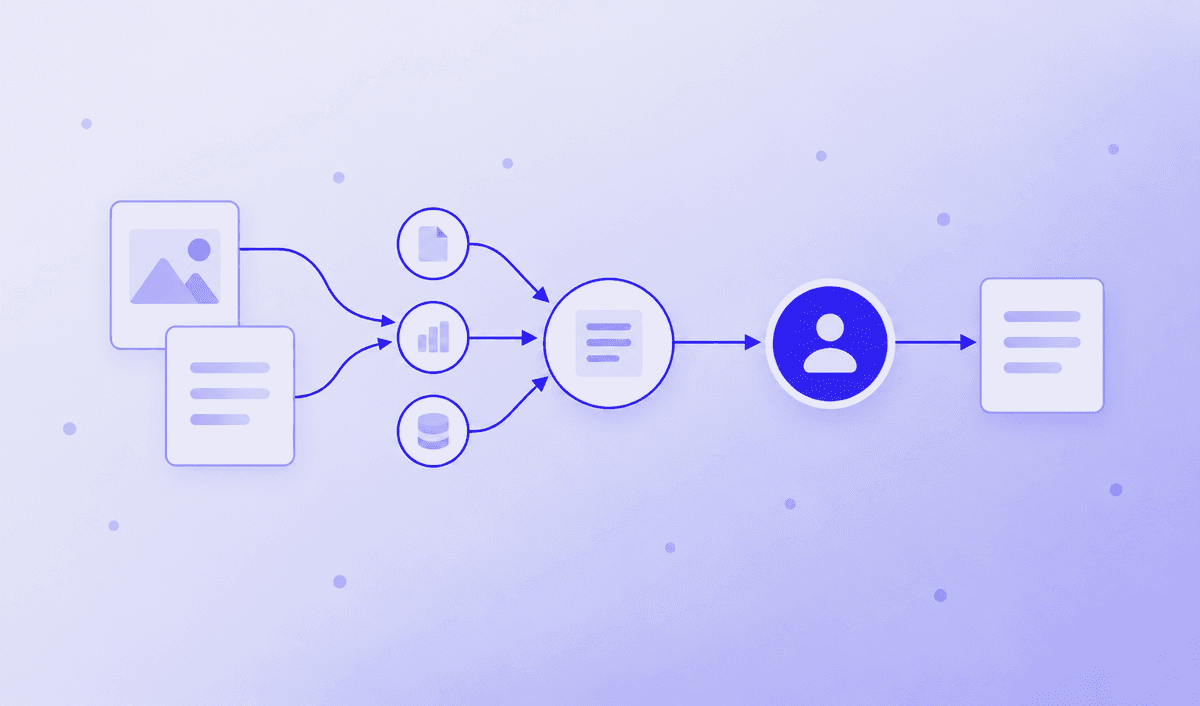
Regulatory lifecycle

EU AI Act documentation

Agents classify your AI system’s risk level, prepare the Annex IV points they can, list what is missing, and assemble an evidence pack with regulatory references for reviewer approval.

Doc assembly00:34
AI system risk tierClassification agentHigh‑risk
Annex IV points preparedEvidence agent6/9
Points needing inputNarrative agent3
OutcomeEvidence pack prepared; 3 Annex IV points need input.L. BrandtAwaiting decision
Publication lifecycle

AI content review

Submit a campaign asset and how it was made. Agents compare versions, check which disclosure rules apply to the market and the channel, list the evidence that is missing and prepare a recommendation. Your reviewer makes the call, and the decision stays bound to that exact version.

Content review
Creation historyEvidence agentDeclared and compared
Disclosure rulesClassification agentLaw, platform, policy
Missing evidenceNarrative agentListed for review
OutcomeRecommendation prepared; the missing evidence is listed for the reviewer.M. FischerAwaiting decision

Pricing

You pay for the jobs agents finish. Not for seats.

Agents do the jobs: they screen parties, read registry extracts into cited facts, map ownership, classify risk and re‑check entities over time. Everyone on your team can use cmpliance, and the decisions stay with your officers.

One month, side by side. Over twenty working days 288 jobs arrive, more each week, and all of them are done. A reviewer joins, then another reviewer. Seat‑based pricing counts the people: 15 paid seats, then 16, then 17. cmpliance counts the jobs agents finish: 288 jobs finished; everyone on your team can use it, with no seat fees.

Track record

The work behind cmpliance started in 2017.

paterhn has built AI applications for RegTech, FinTech, and other regulated industries since then. Three of those deployments:

2017
  1. Transaction screening

    Agentic screening across the compliance graph.

  2. Private banking

    Regulatory documentation prepared end‑to‑end for compliance team review.

  3. Evidence infrastructure

    Deterministic evidence packs with hash‑anchored audit trails.

cmpliancetoday Contact us

Selected predecessor‑system deployments in regulated industries. Details available under NDA. These are not cmpliance production results.

FAQ

Common questions

Plain answers on data, security, and scope.

What is cmpliance.ai?

cmpliance.ai is the official website for cmpliance, an evidence‑led compliance product operated by paterhn GmbH in Switzerland.

Where is my data hosted?

Core production architecture is designed with Switzerland and EEA-oriented processing in mind where practical. Specific provider locations and transfer safeguards are governed by the applicable customer agreement and subprocessor terms. See Security.

Which regulations does cmpliance cover?

Our initial scope is KYC/AML onboarding and EU AI Act risk assessment. The product is designed to bring evidence, findings and a human decision into one review record. A workflow or evidence pack does not by itself establish compliance with a regulation. Contact us to confirm the supported scope for your case.

Is my data used to train AI models?

No. We do not use Customer Data to train public or foundation AI models. Customer Data is processed to provide the Service and as otherwise permitted by the applicable customer agreement.

What security standards do you follow?

Evidence and document workflows are designed to support integrity checks, auditability, and source traceability. Compliance workflows are designed to record user actions, system actions, evidence events, and decision history. Specific controls may vary by plan, feature, deployment model, and signed customer agreement. See Security.

Who built cmpliance?

cmpliance.ai is built by paterhn.ai, a Swiss AI development studio with production AI systems in operation since 2001, multi‑agent systems running in enterprise environments since 2017, and transformer‑era agent work in production since 2019.

Put agents on the job.

We’ll show you what cmpliance agents can take on.

Get early access