Agentic AI
A new signal. A new review. What happens when evidence changes after approval
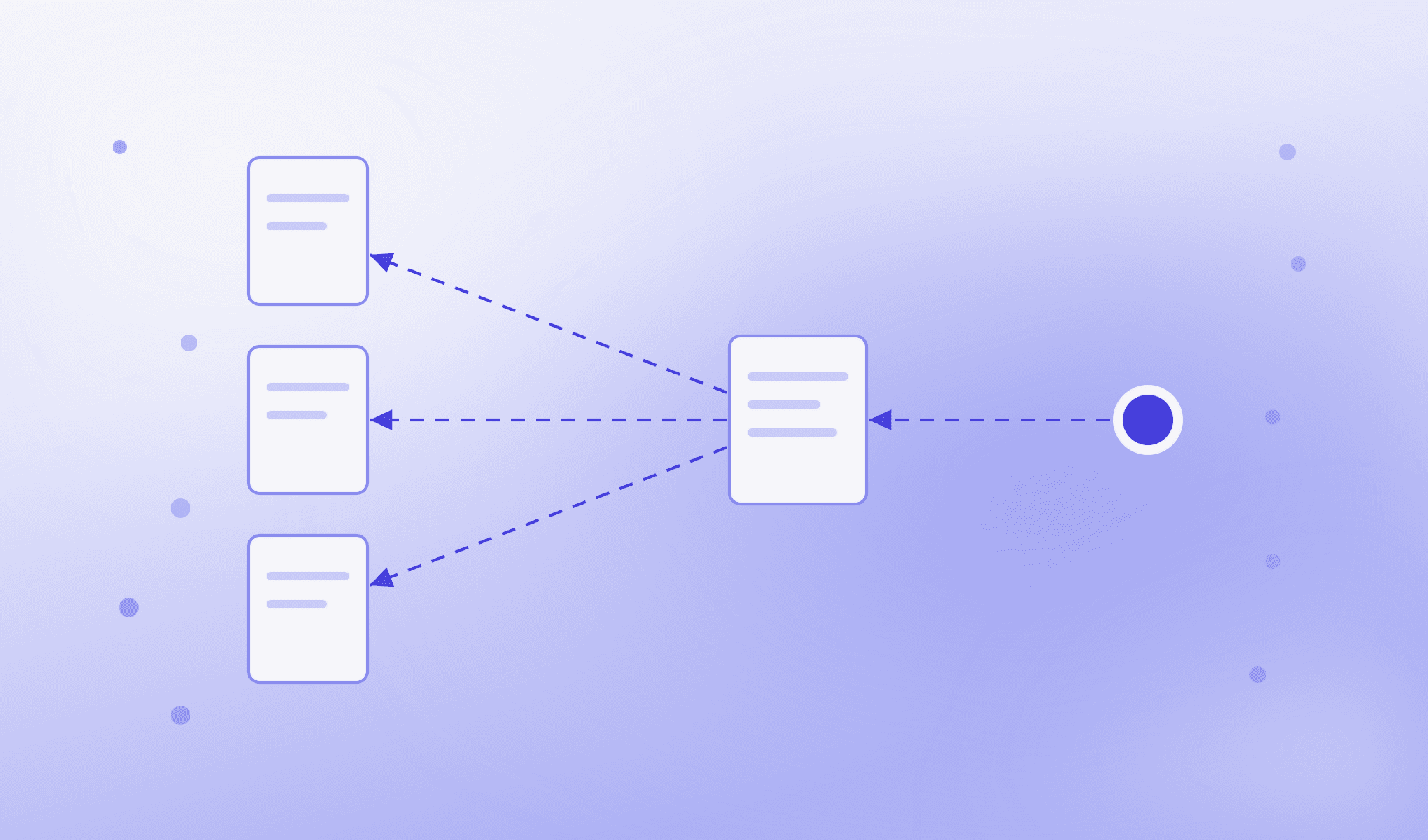
Approval is a point in time. When a new sanctions signal arrives for an approved customer, a reassessment opens against the approved baseline, the comparison shows what changed, and an analyst decides what the change means. Follow that path in cmpliance.

The customer was approved last week. A maker prepared the case, a checker signed it off, and the decision sits in the record with its evidence. Then a new sanctions screening signal arrives for the same customer. Nothing about the original approval was wrong, and all of it is now in question.
Approval is a point in time. Our earlier walkthroughs showed how a decision gets made and how it can be reconstructed afterwards. This one shows what happens when the evidence changes after the decision: how a new signal becomes a new review, what changed against the approved baseline, and who decides what the change means. The film runs a little over a minute.
youtubeA new sanctions signal for an approved customer opens a reassessment linked to the earlier decision; the analyst sees what changed and requests evidence before deciding.https://www.youtube.com/watch?v=9OWeBxvlbW0Watch: A new signal. A new review.
Screening produces signals. The hard part is connecting a signal to the decision it calls into question, showing what is actually different, and putting the change in front of a person who decides with the earlier approval in view.
Start from the decision that stands
At 0:00, the film opens on the approved baseline: the customer's previous assessment and the decision that closed it, with the maker and the checker on record. This is the state the signal arrives into.
A reassessment that does not know what was approved, and on what evidence, cannot say what changed. It can only start again, and it loses the question that matters: does the new information alter the basis of the earlier decision? Our articles on four-eyes review and reconstructing a customer approval cover how that baseline is made and read. Here it is the reference point.
A signal becomes a linked reassessment
From 0:06, the activity view shows the new monitoring run: when it was observed, the finding and the source evidence behind it. A reassessment opens, linked to the approved baseline, and its provenance records that it exists because monitoring recorded a change, not because a refresh date came round. A high-severity screening signal opens the reassessment on its own.
The link is the point. An alert in a queue is a task. A reassessment bound to the earlier decision is a question about that decision, and it carries the decision's evidence with it.
Show what changed, not only what was found
At 0:10, the reviewer opens the comparison of baseline against current. It shows two new possible matches on sanctions lists, rated high, and a change in screening coverage, rated medium, each with its source.
A newly retrieved fact is not, on its own, a change in the customer. A possible match is not a confirmed match. The comparison keeps those distinctions visible, which is what lets the analyst weigh the signal rather than react to its severity label.
The review states why it exists
At 0:19, opening the review leads to the review for this exact reassessment, and its reason reads "Policy requires human review". The reason agrees with the signal and the comparison.
That line matters later: an auditor should see not only that a person looked, but why the case was put in front of one, and that the reason matches the change.
The analyst asks for evidence before deciding
From 0:26, the analyst records the decision: not approve, not reject, but request evidence, with the rationale written down.
Two possible matches of high severity do not make the customer a sanctioned party, and they do not make it a clean one. The right outcome on that evidence is to ask for what would confirm or clear the match, and to say so in the record. Requesting evidence is a decision. It has an owner, a time and a reason, and it leaves the linked reassessment awaiting evidence while preserving the earlier approval record. Our article on an adverse-media item that cannot be resolved today makes the same case for a different kind of signal.
The saved outcome
From 0:55, the saved outcome appears; after reopening, the review history shows the action, the analyst and the time. Saved, not typed. The approval from last week, the reassessment linked to it and the request for evidence linked to that now sit in one record, and anyone can follow the sequence later without asking the analyst what happened.
Try it on your own monitoring
Take one customer who produced a screening alert in the last quarter. Ask four questions. Can you find the decision the alert called into question? Can you see what differed between the approved state and the new one, with sources? Does the review say why it was raised? Who decided what, and when?
If the answers live in a screening tool's queue on one side and a case file on the other, the link between them is in someone's head. That is the gap a later reviewer falls into.
Why it matters for your team
In cmpliance, monitoring records the signal, the reassessment opens against the approved baseline, and the agents prepare the comparison with its sources. The analyst decides what the change means. The record keeps the signal, the comparison, the reason for review and the decision together with the approval they followed.
See how cmpliance works and how a second reviewer reconstructs an approval. Bring us a monitoring alert your current record cannot connect to the decision it questions.
Agents do the work. Humans make the call.
Approval is a point in time. A new signal has to connect to the decision it calls into question rather than start a fresh file.
A reassessment linked to the approved baseline shows what changed, with sources, and keeps a possible match distinct from a confirmed one.
Requesting evidence is a decision in its own right, with an owner, a time and a reason, saved in the record alongside the approval it follows.
Frequently asked questions
→What happens in cmpliance when an approved customer receives a new sanctions signal?
Monitoring records the signal with the time it was observed, the finding and its source. A reassessment opens, linked to the approved baseline, and a comparison shows what differs between the approved state and the current one. The review is routed to a person, with the reason for review stated.
→Is a new screening match the same as a change in the customer's risk?
No. A possible match is not a confirmed match, and a newly retrieved fact is not by itself a change in the customer. The comparison separates new matches from coverage changes, gives each a severity and a source, and leaves the judgment to the analyst.
→Why would an analyst request evidence instead of approving or rejecting?
Because the evidence does not yet support either outcome. Requesting evidence is a recorded decision with an owner, a time and a reason. The linked reassessment remains awaiting evidence while the earlier approval record is preserved.